THEME DEVELOPMENT · OS 2.0

Shopify Theme Development — Custom Liquid Engineering

Custom themes built on Online Store 2.0 and Dawn. Liquid, JavaScript and performance-first code, with sections your marketing team can actually edit.

  • From £5,500 (€6,400)
  • Shopify Plus Partner
  • 120+ stores live since 2018
  • Fixed price, written scope

Prefer email? hello@shopindev.com

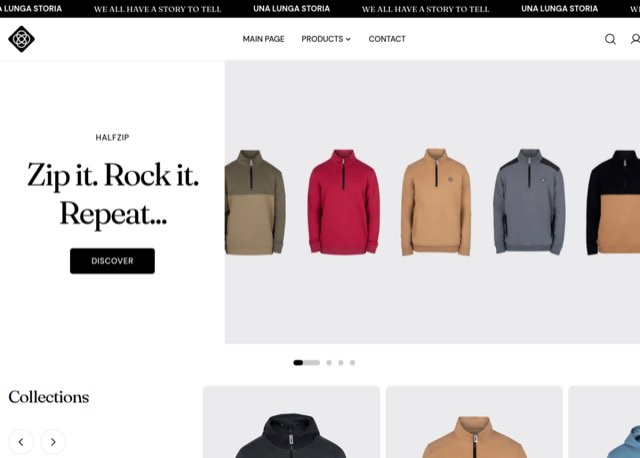
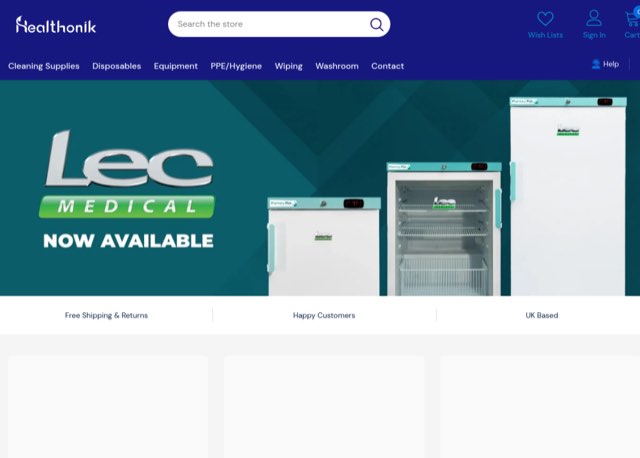
Live stores we built in Europe
All 29 references ↗
They built our custom Liquid sections from scratch. Our merchandisers now edit pages themselves — before, every change meant waiting on a developer.
Cem KorkmazHead of Operations · Lactovia
Why Shopindev?

Shopify theme development: why Shopindev?

OS 2.0 sections

Drag-and-drop, merchandiser-friendly sections — your team edits pages without touching Liquid or waiting for a developer.

Metafields & metaobjects

Structured content for multi-language, multi-market and consistent brand data across templates.

Theme app extensions

App blocks integrated into the storefront and checkout the modern way, instead of injected scripts.

Performance budget

Lighthouse and bundle-size checks on every pull request, with an LCP under 1.5 seconds guaranteed.

GitHub + CI/CD

Theme code in your private repo, automatic preview deployments, code review and full version history.

Design system

Typography, colour, spacing and components documented in Figma so the theme stays coherent as it grows.

Shopify theme development in four steps

01 — DESIGN

Figma prototype

A store-specific design system: typography, colour, components, product, collection and page templates.

1–2 weeks
02 — BUILD

Liquid + JavaScript

Theme code from scratch or on top of Dawn. Each component ships as its own section with a schema.

2–4 weeks
03 — QA

Cross-device testing

iOS Safari, Android Chrome and desktop browsers. Every CTA and checkout path tested.

1 week
04 — HANDOVER

Training + repo transfer

Theme code in your own repository, plus video training for your team.

2 days
THEME DEVELOPMENT IN DETAIL

Adapt, extend or build from scratch

Most stores do not need a new theme; they need a better one. This is how we decide, and what a theme project with us includes.

The lightest option that does the job

We first check whether your current theme, or Dawn with a handful of custom sections, can meet the brief. We recommend a fully custom theme only when your brand, product logic or performance targets would otherwise need a long list of workarounds.

That is not modesty, it is maintenance: every line of custom code is a line someone has to keep working as Shopify changes.

  • Adapt: colours, typography, custom sections
  • Extend: new templates, metafields, metaobjects
  • Build: your own design system and components

Sections your team can edit

Every component is built as a section with settings in the theme editor, so your marketing team can build landing pages, swap campaign imagery and reorder content without waiting for a developer.

We name settings so they make sense without a manual, and limit options where too much freedom would break the design.

Data in metafields, not copy-paste

Size charts, materials, care instructions and manufacturer details belong in metafields and metaobjects rather than in the description. They then appear consistently on every product page, change in one place, and feed structured data for search engines and AI assistants.

Performance is part of the theme

We measure Core Web Vitals before and after. Images are served at the size they display, the hero image is prioritised, and scripts are deferred where possible. A performance budget stops the theme slowing down with every new feature.

  • LCP under 1.5 s on mobile as the target
  • No scripts without a purpose in the theme
  • Measurement before and after each major release

Accessible by default

We build against WCAG 2.1 AA: contrast, keyboard access to menus, drawers and filters, labelled form fields, meaningful alt text and pausable carousels. For stores selling into the EU, the European Accessibility Act has made this a compliance question since June 2025.

Code you own

The theme lives in your own repository, connected to Shopify through the GitHub integration, so every change is traceable and another developer can pick it up. Handover includes short documentation and a recorded walkthrough for your team.

FAQ

Shopify theme development: frequently asked questions

How much does a custom Shopify theme cost?

It depends on design depth, template count, custom section volume and multi-language needs. The typical range is £5,500–£18,000. Fixed scope, fixed price, no hourly billing.

How is a Shopify theme customised?

Three levels: theme settings (colour, fonts, sections without code), Liquid edits (custom sections, metafields, bespoke logic), or a fully custom theme written from scratch. We recommend the lightest option that meets the brief.

What is Online Store 2.0?

The theme architecture Shopify introduced in 2021 that allows sections on every page type — home, product, collection, blog. It is what makes themes editable by non-developers.

Do you work on an existing theme?

Yes. We audit what you have, then either extend it or rebuild the parts holding you back. Often extending a well-built premium theme is the better investment.

A person replies, not a bot — usually within 30 minutes on weekdays.

Tell us about your project